
Hyderabad Metro Station
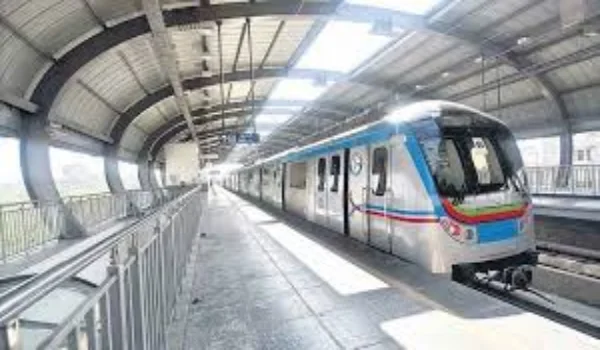
The Hyderabad Metro Station network has transformed daily mobility across the city by offering a fast, reliable, and traffic-free alternative to road travel. Built to support Hyderabad’s rapid urban expansion, the metro connects major residential zones, business districts, and cultural landmarks with precision and efficiency. For residents, professionals, and visitors, understanding Hyderabad Metro stations, routes, timings, and fares plays a vital role in planning efficient journeys, reducing commute stress, and saving valuable time.
Overview of Hyderabad Metro Network
The Hyderabad Metro network was developed in two strategic phases and currently operates across three well-planned corridors. Together, these corridors form a strong urban transit backbone that links the western, eastern, central, and southern parts of the city. This structured expansion has strengthened Hyderabad Metro corridor connectivity, ensuring smooth movement between residential neighborhoods, employment hubs, and transit interchanges.
Hyderabad Metro Lines and Routes
The metro system is divided into three primary corridors, each serving a specific growth belt of the city:
- Red Line: Miyapur to LB Nagar
- Blue Line: Nagole to Raidurg
- Green Line: JBS Parade Ground to MGBS
These corridors pass through high-density residential pockets, IT hubs, and commercial districts, ensuring extensive coverage across Hyderabad. Major Hyderabad Metro interchange stations such as Ameerpet and Parade Ground allow passengers to switch lines seamlessly, significantly improving travel efficiency for Hyderabad Metro daily commuters.
Hyderabad Metro Stations and Passenger Amenities
Every Hyderabad Metro station is designed with commuter convenience, safety, and accessibility as top priorities. Stations follow a modern and uniform layout that ensures easy navigation for regular users as well as first-time passengers.
Key Hyderabad Metro passenger facilities include:
- Electronic train information display systems
- Clear signboards in English, Telugu, Urdu, and Hindi
- Escalators and elevators for smooth vertical movement
- Audio announcement systems for arrivals and departures
- Tactile pathways supporting visually impaired passengers
- Elevator buttons with Braille
- Well-planned entry and exit zones with service access roads
For passenger support and operational queries, the Hyderabad Metro Rail contact number is 040-2333-2555.
Hyderabad Metro Timings and Train Frequency
Hyderabad Metro services are planned to suit daily commuters, students, and casual travelers with consistent operations across the week.
From Monday to Saturday, trains begin at 6:00 AM and run until 11:00 PM, while on Sundays, services start at 7:00 AM and continue till 11:00 PM.
Train frequency remains high during peak periods, with services every 5 to 10 minutes, and eases to 10 to 15 minutes during off-peak hours. This well-managed schedule helps maintain smooth travel flow, limits congestion, and enhances overall Hyderabad Metro commuting efficiency.
Hyderabad Metro Ticket Fare Structure
The Hyderabad Metro ticket fare follows a transparent distance-based pricing model, making urban travel affordable for all income groups.
- 0–2 km: ₹10
- 2–4 km: ₹15
- 4–6 km: ₹25
- 6–8 km: ₹30
- 8–10 km: ₹35
- 10–14 km: ₹40
- 14–18 km: ₹45
- 18–22 km: ₹50
- 22–26 km: ₹55
- Beyond 26 km: ₹60
Passengers can use the official metro app for route planning, fare calculation, and digital ticket purchases. This supports cashless travel while enhancing convenience through Hyderabad Metro smart card benefits and mobile ticketing options.
Reaching Popular Landmarks via Hyderabad Metro Station
One of the strongest advantages of the metro is its direct access to major city landmarks through well-placed stations and reliable last-mile connectivity.
- Ramoji Film City – Accessible via LB Nagar Metro Station
- Necklace Road – Accessible via Khairatabad Metro Station
- Charminar – Accessible via MGBS Metro Station
- Golconda Fort – Reached through the Raidurg corridor with supporting Hyderabad Metro last mile connectivity
This connectivity supports tourism, daily travel, and city exploration without dependence on congested road networks.
Impact of Hyderabad Metro on Real Estate Growth
The expansion of the metro has significantly influenced metro-driven real estate growth in Hyderabad. Areas near metro corridors have seen steady appreciation due to improved accessibility, shorter travel times, and higher rental demand. Homes near metro stations in Hyderabad continue to attract both end-users and long-term investors.
A notable upcoming residential development benefiting from metro proximity is Brigade Enclave. Located near Moti Nagar and Sanath Nagar, this premium project enjoys strong access to the Red Line. The nearest metro access point, Miyapur Terminal Metro Station, is approximately 9 km away, ensuring efficient connectivity to major business and lifestyle destinations.
Brigade Enclave is a low-density luxury apartment community by Brigade Group, spread across 4.5 acres. The project offers 215 exclusive 3 & 4 BHK apartments across 3 towers with G+6 floors and two basement levels. Apartment sizes range from 1850 to 2635 sq. ft., providing spacious living environments designed for privacy and comfort. The project is RERA approved, making it a secure choice within the growing landscape of residential projects near Hyderabad Metro.
Conclusion
The Hyderabad Metro Station network stands as a cornerstone of the city’s urban infrastructure. With well-connected routes, modern station facilities, dependable schedules, and affordable fares, the metro has become the preferred transport system for millions. Beyond daily commuting, it has strengthened sustainable mobility, reshaped property demand, and enhanced overall urban efficiency. Whether traveling for work, education, or leisure, Hyderabad Metro delivers a smooth, reliable, and time-efficient way to move across the city with confidence.